Last updated: August 26, 2026
Roasting your own coffee is the single biggest lever on flavor in the entire chain, bigger than the machine that brews it. Here's how batch size, heat source, and airflow control change as you move from a countertop hobby roaster to commercial equipment.
This page contains affiliate links. If you buy through one, we may earn a commission at no additional fee charged by Vigilant Coffee. This does not affect how we evaluate or describe products.

Jump straight to specs before reading the full write-ups below.
We compared published manufacturer specifications, warranty documentation, parts and service availability, retailer information, and recurring owner and professional feedback available as of August 2026. We did not purchase or laboratory-test every product listed. Vigilant Scores represent our editorial assessment for the stated use case, not a universal or hands-on test winner.
Researched and written by the Vigilant Coffee editorial team. Reviewed and fact-checked: August 2026. Research basis: manufacturer documentation, published warranty terms, official program information, and cited third-party sources. Hands-on testing: not conducted unless specifically stated.
| Roaster | Tier | Batch Size | Typical Price | Score |
|---|---|---|---|---|
| Fresh Roast SR540/SR800 | Home | 120g–226g | ~$200–$300 | 8.2/10 |
| Behmor 2020SR | Home | ~450g–1lb | ~$450 | 8.4/10 |
| Aillio Bullet R1 | Home | ~1kg | ~$2,500 | 9.2/10 |
| Kaleido M10 | Serious hobbyist / small commercial | 300g–1.2kg | ~$2,879–3,199 | 8.5/10 |
| Kaleido Sniper M2/M6 | Home | 400g–700g | ~$2,000–$2,500 | 9.0/10 |
| San Franciscan SF-1 | Sample/Commercial | ~1lb sample | ~$5,500+ | 8.8/10 |
| Diedrich IR-5 / DR-5 | Commercial | ~5.5–11lb | ~$15,000+ | 9.4/10 |
| Loring S15 Falcon | Commercial | ~33lb (15kg) | $60,000+ | 9.6/10 |
Specs verified against manufacturer documentation: July 2026. Pricing shifts with retailer promotions and currency, always confirm current price before buying.

Enough to keep a household in fresh-roasted coffee without committing to a commercial-scale machine.
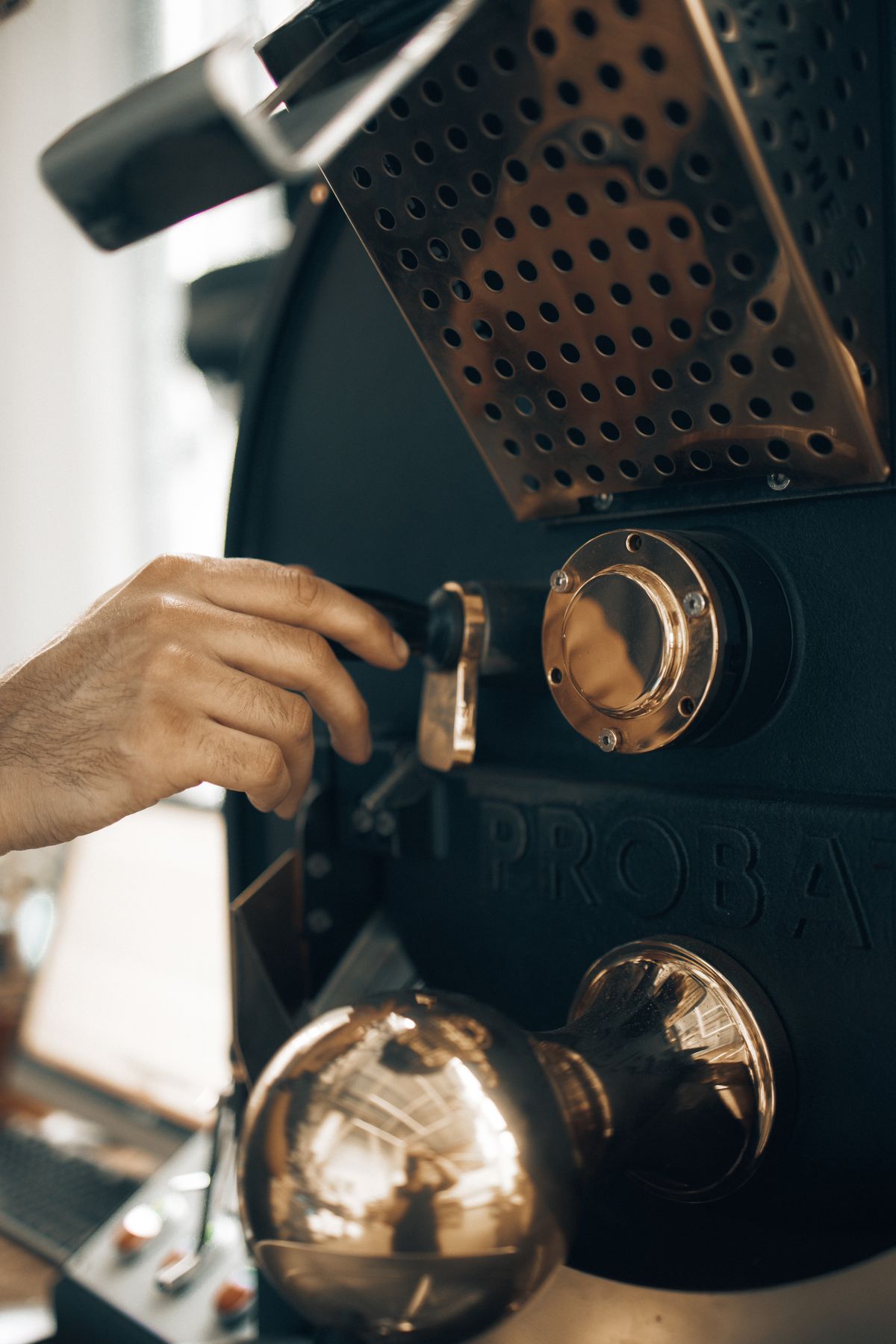
Fluid-bed (air) roasters that use a glass chamber so you can watch bean color develop in real time. The learning curve is short and batches are small, ideal for figuring out whether home roasting is a habit worth investing further in. The SR540 tops out around 120g per batch; the SR800 nearly doubles that to about 226g for the same footprint.
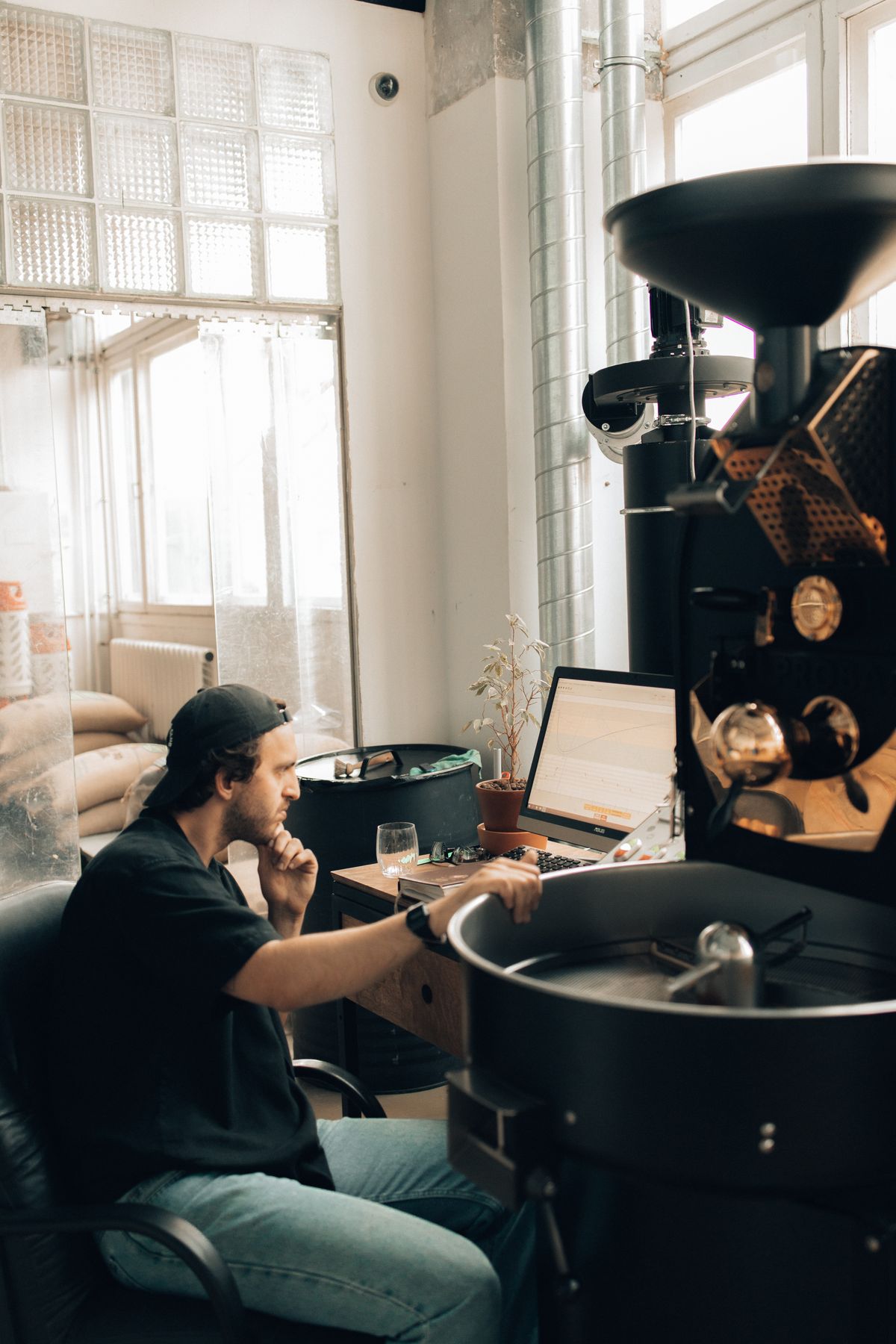
A genuine drum roaster with app-based logging, programmable profiles, and enough repeatability that many small commercial roasters started on exactly this machine before scaling up. The most expensive item in this tier by a wide margin, and worth it if you're roasting weekly.
The Bullet above is a drum roaster, beans tumble inside a rotating metal drum, heated mostly by conduction from the hot drum surface. It's the traditional mechanism used by nearly all commercial roasters, and most people describe its results as fuller-bodied with more even sugar development, since the beans heat more gradually. The Kaleido below is a fluid bed (hot air) roaster, like Fresh Roast above, beans are suspended and tumbled by a column of hot air instead of a metal drum. Air roasting heats beans faster and more evenly on the outside, which tends to produce a cleaner, brighter cup with more origin character showing through, some roasters feel it can underdevelop the sugars a drum brings out. Neither is "better," they're different tools for a different flavor target, and the Kaleido line specifically pairs air roasting with the kind of profiling and data-logging that used to be drum-only.

A touchscreen-controlled fluid-bed roaster line that brings drum-roaster-level profiling and data logging (Artisan-compatible) to hot-air roasting. Sits in the same price and seriousness tier as the Bullet above, the real decision between them is drum vs. air character, not build quality. The line also includes a smaller M1 (50–200g, roughly $1,400–$1,600) and a larger M10 (up to 1.2kg, roughly $2,700–$3,200) for different batch needs.
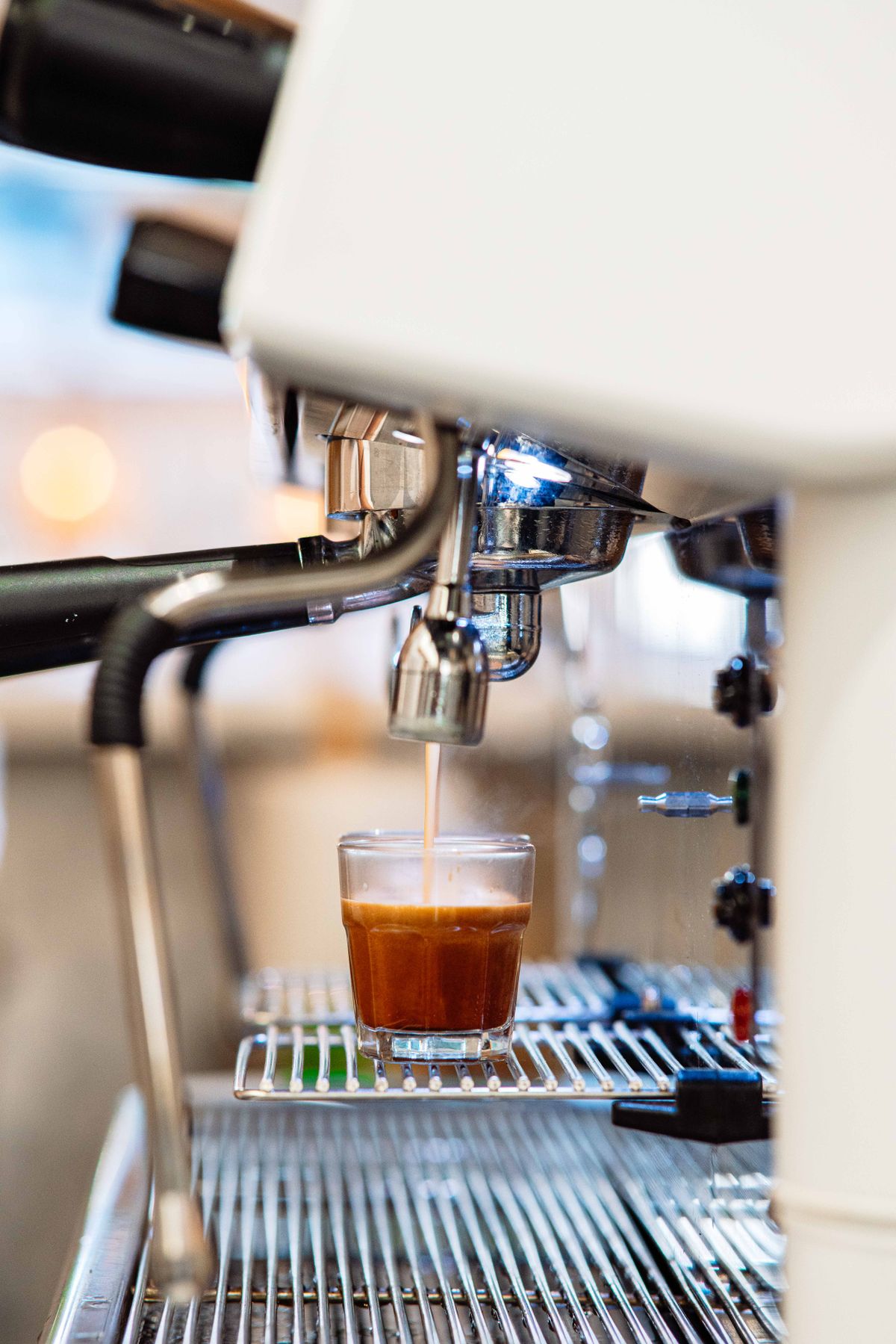
A direct comparison point to our top-ranked Aillio Bullet R1, with a wider 300g–1.2kg batch range versus the Bullet R1's roughly 1kg positioning. Carbon fiber infrared direct-fire heating, real-time bean and environmental temperature monitoring, and full Kaleido or Artisan software control for recording, saving, and sharing roast profiles.

A drum roaster in a countertop form factor at a fraction of the Bullet's price, with smoke-suppression tech that makes it more indoor-friendly than most drum machines in its class. Fewer profiling features, but a real drum roast for a fraction of the investment.
The equipment behind an actual roasting business, from a sample roaster used to evaluate incoming green coffee, to production drums that supply wholesale accounts.
The roaster most green coffee importers and small roasteries use to cup and evaluate lots before committing to a full production run. Not a production machine on its own, but a near-universal fixture in any serious roasting operation.
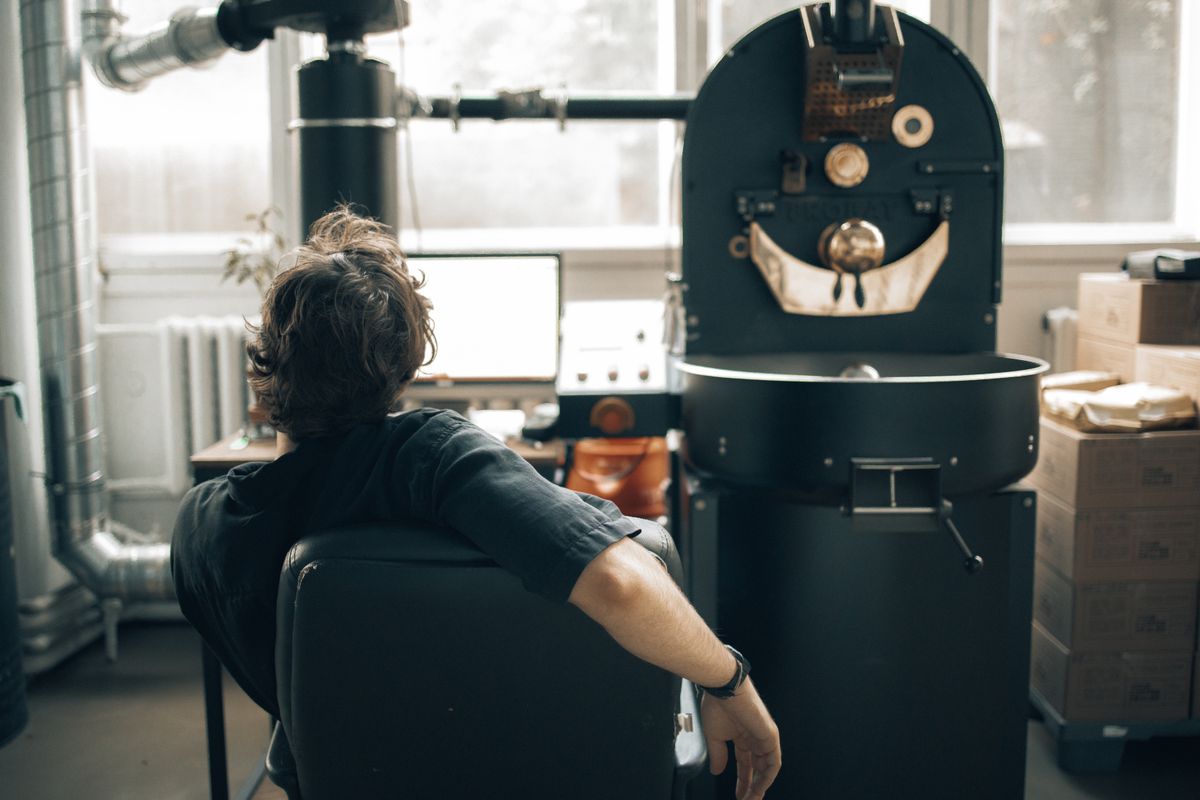
Infrared drum heating for even roast development at a batch size that suits a first wholesale-capable roastery. Diedrich's infrared line is one of the most commonly referenced "first real roaster" purchases among micro-roasters scaling past the hobby stage. Diedrich currently markets this model as the DR-5; you may still see it listed as the IR-5 on older or resale listings, confirm current naming with the retailer before buying.
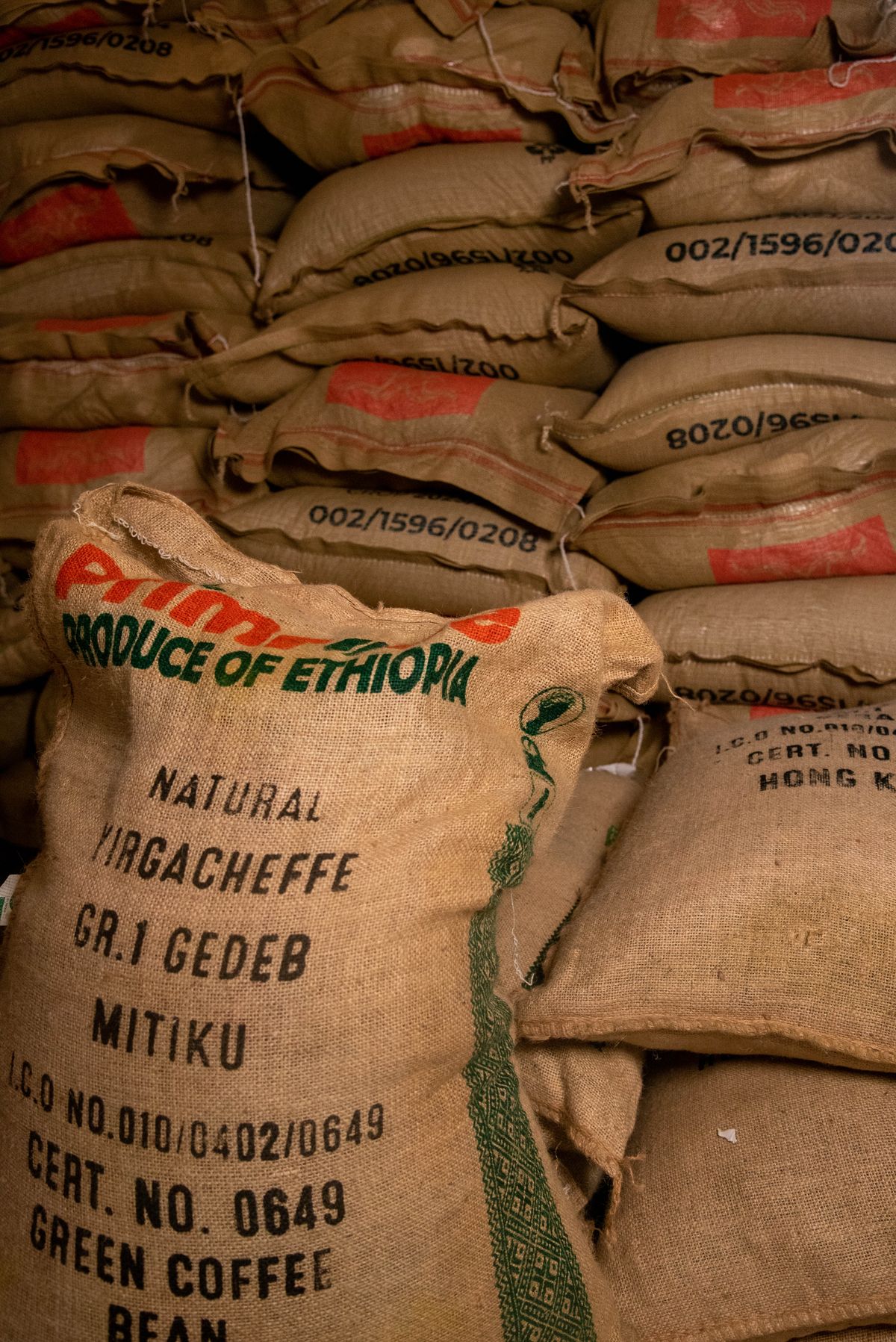
A high-efficiency roaster built around Loring's low-emissions combustion design, aimed at roasteries running large, consistent production volumes with an eye on fuel cost and environmental compliance. This is scaling-business equipment, not a starter purchase. The "15" in the name refers to its 15kg (about 33lb) batch capacity, not 15 pounds.
A roaster is only useful with a supply of green (unroasted) coffee. Home roasters typically buy in 1–5lb bags from green coffee retailers that source direct-trade and importer lots. Commercial roasters generally buy by the 30–70kg bag directly from importers, often pre-arranged months ahead of harvest through futures-style contracts.
"First crack" is the audible popping sound as beans expand and release moisture, marking the start of usable roast development. "Second crack", a quieter, higher-pitched sound, signals the entry into darker roast territory. Most specialty-focused roasters stop shortly after first crack; most commodity dark roasts push well into or past second crack.
Gas roasters offer more headroom for high-volume, high-heat roasting and are the default at commercial scale. Electric roasters are simpler to install (no gas line or venting permit in many cases) and dominate the home and sample-roaster tiers as a result.
Commercial roasting equipment typically requires afterburner or catalytic smoke-abatement systems to meet local air-quality permitting, plus fire department sign-off. Budget for this alongside the roaster itself, it's frequently a bigger line item than new roasters expect.
Most mobile coffee businesses buy roasted beans from a wholesale roaster rather than roasting on-site. If that's your path, skip ahead to our coffee cart and trailer guide.
See the Cart & Trailer GuideWeighted toward roast control & consistency (35%), build & durability (25%), warranty & parts availability (20%), and batch capacity fit for the stated tier (20%). Here's the breakdown behind each roaster's number.
| Criterion | Weight | Finding | Score |
|---|---|---|---|
| Roast control | 35% | Fluid-bed, manual heat/fan control, less automated than higher tiers here | 7.5 |
| Build & durability | 25% | Entry-level construction appropriate for its ~$200–$300 price point | 8.0 |
| Warranty & parts | 20% | Manufacturer confirmed as Home Roasting Supplies, not Fresh Roasted Coffee, terms not individually re-verified | 8.5 |
| Capacity fit | 20% | 120g–226g batch is well-matched to its entry-level home tier | 9.5 |
| Criterion | Weight | Finding | Score |
|---|---|---|---|
| Roast control | 35% | Drum roaster with smoke suppression, more control than fluid-bed entry roasters | 8.0 |
| Build & durability | 25% | Established mid-tier home drum roaster construction | 8.5 |
| Warranty & parts | 20% | Standard manufacturer terms; confirm current warranty specifics directly with the manufacturer | 8.5 |
| Capacity fit | 20% | Batch size appropriate for serious home use, a step up from entry-level | 9.0 |
| Criterion | Weight | Finding | Score |
|---|---|---|---|
| Roast control | 35% | Drum roaster with data-logging/profiling software, among the most precise in the home tier | 9.5 |
| Build & durability | 25% | Strong enthusiast reputation for build quality at its price point | 9.0 |
| Warranty & parts | 20% | Official site confirmed; confirm current warranty specifics directly with the manufacturer | 9.0 |
| Capacity fit | 20% | ~1kg batch fits its serious-hobbyist positioning well | 9.0 |
| Criterion | Weight | Finding | Score |
|---|---|---|---|
| Roast control | 35% | Kaleido/Artisan software with real-time bean and environmental temperature monitoring, genuinely sophisticated profiling on par with the category leader | 9.0 |
| Build & durability | 25% | Roughly 60% stainless steel, 38% aluminum construction; one long-term owner specifically praised the ease of replacing wearable parts | 8.0 |
| Warranty & parts | 20% | A 12-month manufacturer warranty is shorter than some competitors; owners report accessible, affordable replacement parts | 7.5 |
| Capacity fit | 20% | A 300g–1.2kg range offers more flexibility than the Bullet R1's roughly fixed 1kg positioning, spanning small-batch testing to small-commercial volume | 9.0 |
| Criterion | Weight | Finding | Score |
|---|---|---|---|
| Roast control | 35% | Touchscreen fluid-bed with Artisan-compatible profiling, matches Bullet's data capability via a different mechanism | 9.0 |
| Build & durability | 25% | Same serious-enthusiast tier as the Bullet, official site confirmed | 9.0 |
| Warranty & parts | 20% | Newer to the market than Aillio; terms not individually re-verified | 8.5 |
| Capacity fit | 20% | 400g–700g range across M2/M6 fits its tier well | 9.5 |
| Criterion | Weight | Finding | Score |
|---|---|---|---|
| Roast control | 35% | Commercial drum roaster, official manufacturer site confirmed (sanfranroaster.com) | 8.5 |
| Build & durability | 25% | Established commercial-grade construction | 9.0 |
| Warranty & parts | 20% | Commercial support network; terms not individually re-verified | 9.0 |
| Capacity fit | 20% | Entry-commercial batch size appropriate for its tier | 8.5 |
| Criterion | Weight | Finding | Score |
|---|---|---|---|
| Roast control | 35% | Established commercial drum platform, official site confirmed | 9.5 |
| Build & durability | 25% | Long-standing reputation for commercial-grade construction | 9.5 |
| Warranty & parts | 20% | Established commercial support network; terms not individually re-verified | 9.0 |
| Capacity fit | 20% | Mid-commercial batch range well-matched to its tier | 9.5 |
| Criterion | Weight | Finding | Score |
|---|---|---|---|
| Roast control | 35% | High-efficiency commercial platform, official site confirmed, top of this comparison | 9.5 |
| Build & durability | 25% | Premium commercial construction reputation | 9.5 |
| Warranty & parts | 20% | Established premium commercial support network | 10.0 |
| Capacity fit | 20% | 15kg batch fits its serious wholesale-roaster positioning | 9.5 |
Criterion scores are our editorial judgment applied consistently against the stated weighting, not independently lab-measured. "Not individually re-verified" findings reflect published specs and brand reputation rather than a confirmed warranty document for that specific model.
One note from this research pass: "Fresh Roasted Coffee" (a bean retailer) and "Fresh Roast" the roaster line are easy to confuse, they're different companies. Home Roasting Supplies is the actual Fresh Roast manufacturer/distributor. Verified August 2026.
Brew ratios, grind sizes, troubleshooting fixes, and a gear-buying checklist. Free, instant, no spam.
 Espresso · Roasting · Business