Last updated: August 2, 2026
A mobile setup is usually the lowest-cost entry point into a real coffee business, but "lowest cost" still means a real budget, real permits, and equipment built for the road. Here's the checklist we'd want if we were starting today.
This page contains affiliate links. If you buy through one, we may earn a commission at no additional fee charged by Vigilant Coffee. This does not affect how we evaluate or describe products.

Each format trades startup cost against mobility and daily capacity.

Wheeled, often plumbed to an external water source or run on a self-contained tank system. Best for farmers markets, office parks, and event work where you set up in one spot for the day.
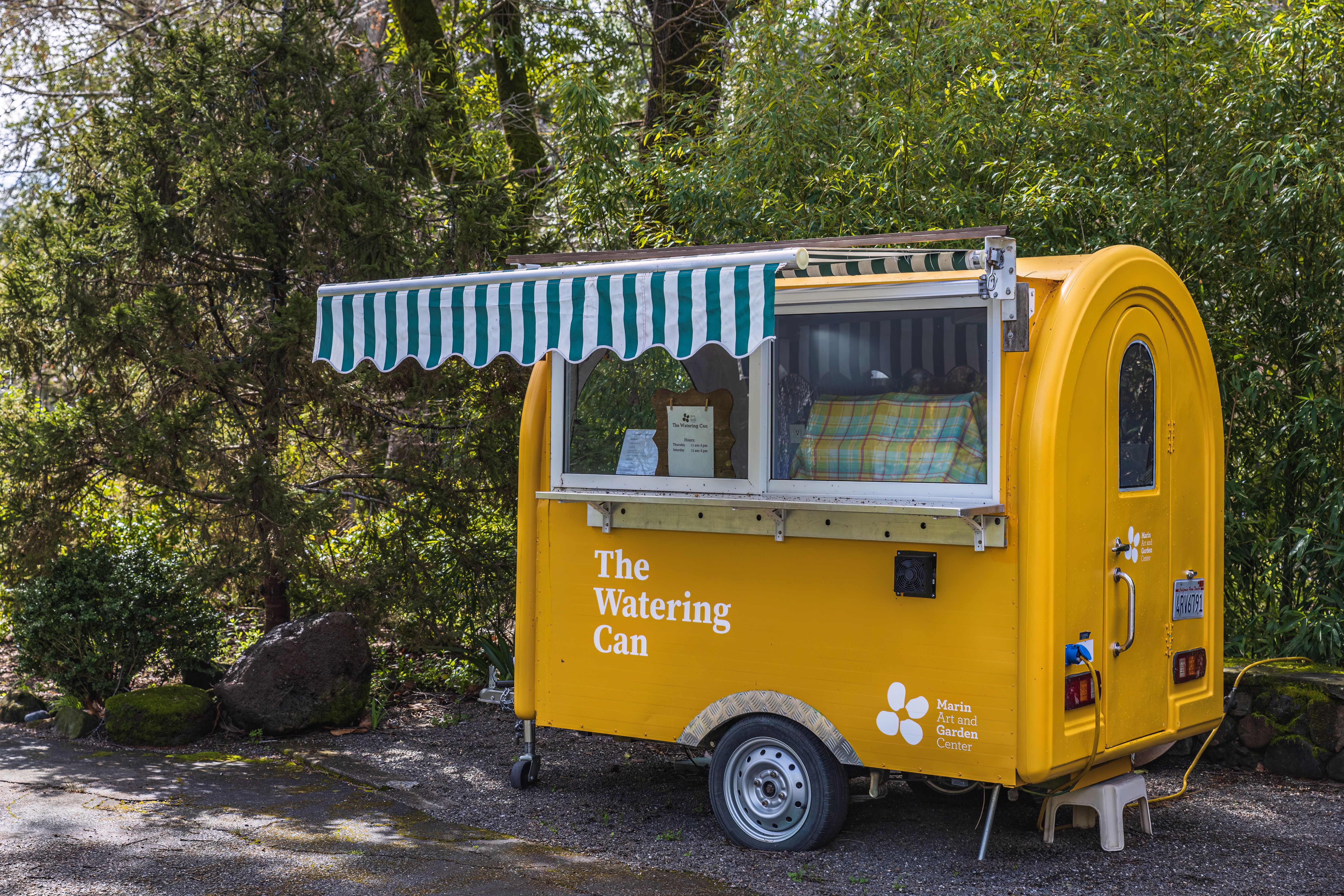
A towable, fully enclosed unit with room for a real commercial espresso machine, grinder, fridge, and sink system. The most popular format for a first mobile coffee business because it balances capacity against cost.

A self-driving vehicle you can park anywhere without a separate tow rig. Highest capital cost, but no separate vehicle needed to move it and often room for more equipment and staff.
Suppliers specializing in mobile setups, like Voltage Coffee Supply, Espresso Parts, and Seattle Coffee Gear, sell most of this as bundled "cart packages," which is usually simpler than sourcing piece by piece.
Not sure how big a generator you need? Use our Generator Sizing Calculator to add up your actual draw.
Mobile food and beverage permitting is set at the county and sometimes city level in most states, so requirements vary significantly even within a single state. Confirm exact requirements with your local health department and a licensed attorney or permitting consultant before you build or buy.

Wide ranges are the honest answer here, used vs. new equipment and your state's permitting costs move these numbers a lot.
| Category | Low End | High End | Notes |
|---|---|---|---|
| Cart or trailer build | $8,000 | $70,000 | Used equipment and DIY builds sit at the low end |
| Commercial espresso machine | $3,000 | $10,000 | See our espresso machine guide |
| Grinders (x2) | $1,200 | $4,000 | Don't underspend here, grind quality matters as much as the machine |
| Permits & commissary setup | $1,500 | $6,000 | Highly county-dependent |
| Initial inventory & supplies | $1,000 | $3,000 | Cups, beans, milk, syrups, POS float |
| Insurance (first year) | $1,200 | $4,000 | General liability + commercial auto if towing |
These are general planning ranges based on publicly available industry reporting, not a guarantee of your costs or income. Your actual results will depend on location, equipment condition, financing terms, and local market demand. Want to plug in your own numbers? Use our Coffee Cart Startup Cost Calculator. Already running and considering a private event or catering booking? Use our Event Pricing & Profitability Calculator before you quote a flat fee.
Beyond the coffee equipment itself, a few non-coffee tools make or break the first year of a mobile business.
A mobile-friendly POS handles card payments, tracks inventory, and gives you real sales data by day and time, useful for deciding which markets and hours are actually worth showing up for.
Operating as an LLC rather than a sole proprietorship separates your personal assets from business liability, worth doing before your first day of service, not after an incident.
Most commissaries and event organizers require proof of general liability coverage before you can even set up. If you're towing a trailer, your personal auto policy typically won't cover it.
A battery-based power station can run an espresso machine and grinder at a site with no shore power, or act as a quiet backup so a dead generator doesn't end your day early.
| Requirement | What It Actually Involves |
|---|---|
| Potable & wastewater tanks | Most health departments require separate fresh (potable) and greywater tanks of a minimum size, commonly in the 5–15 gallon range for carts, larger for trailers, sized to your service volume, not a fixed number everywhere |
| Handwashing station | A dedicated handwashing sink, separate from your 3-compartment ware-washing sink, with hot water, soap, and paper towels, this is one of the most commonly cited violations in mobile food inspections |
| Power-load calculation | Add up the running wattage of every powered device (espresso machine, grinder, POS, refrigeration, lighting) and compare against your generator, shore power hookup, or battery station's continuous output, not just its peak rating |
| Fire inspection | If you have any open flame or certain electrical setups, expect a fire marshal review in addition to health department approval, requirements vary significantly by city |
| Zoning & parking | Where you're legally allowed to park and vend varies by zone within the same city, a spot that's fine for an event may require a separate permit for daily curbside operation |
| Event-vendor requirements | Separate from your standing permits, individual festivals and markets often have their own vendor applications, fees, and insurance minimums, budget time and money for this per event, not just once |
| ADA / customer access | Service windows and ordering areas generally need to accommodate wheelchair access height and reach, this affects cart and window design decisions early, not just an afterthought |
All of these vary by city and county. This is what to ask about, not a substitute for checking with your specific local health department, fire marshal, and zoning office.
Illustrative, not a quote, your actual numbers depend heavily on location, format, and how much you buy used versus new.
| Line Item | Estimated Range | Assumption |
|---|---|---|
| Cart or trailer + core equipment | $10,000–$40,000 | See the format comparison above for cart vs. trailer vs. truck |
| Permits & licensing (first year) | $500–$3,000 | Varies enormously by city; some require multiple separate permits |
| Insurance (annual) | $1,000–$3,000 | General liability minimum; commercial auto if towing |
| Commissary kitchen fees (monthly) | $200–$800 | If required in your jurisdiction, not all are |
| Working capital reserve | $5,000–$15,000 | Covers 2–3 months of operating costs before revenue stabilizes, the single most commonly skipped line item by new owners |
That working capital line matters more than it looks. Even a well-run cart has slow weeks, weather cancellations, and event gaps between bookings, undercapitalized launches are a common, avoidable reason new mobile businesses fail in year one.
Permitting, zoning, wastewater, and fire requirements are set at the state, county, and city level, not federally, the FDA Food Code is a model code that states adopt in varying forms rather than a single nationwide rule. Confirm every requirement directly with your local health department, fire marshal, and zoning office before budgeting or building. Verified August 2026.
Brew ratios, grind sizes, troubleshooting fixes, and a gear-buying checklist. Free, instant, no spam.
 Espresso · Roasting · Business