Clearer choices. Better coffee.
Vigilant Coffee is an independent guide to the equipment, training, and events behind serious espresso, whether you're starting with your first prosumer machine or building out a full coffee trailer.
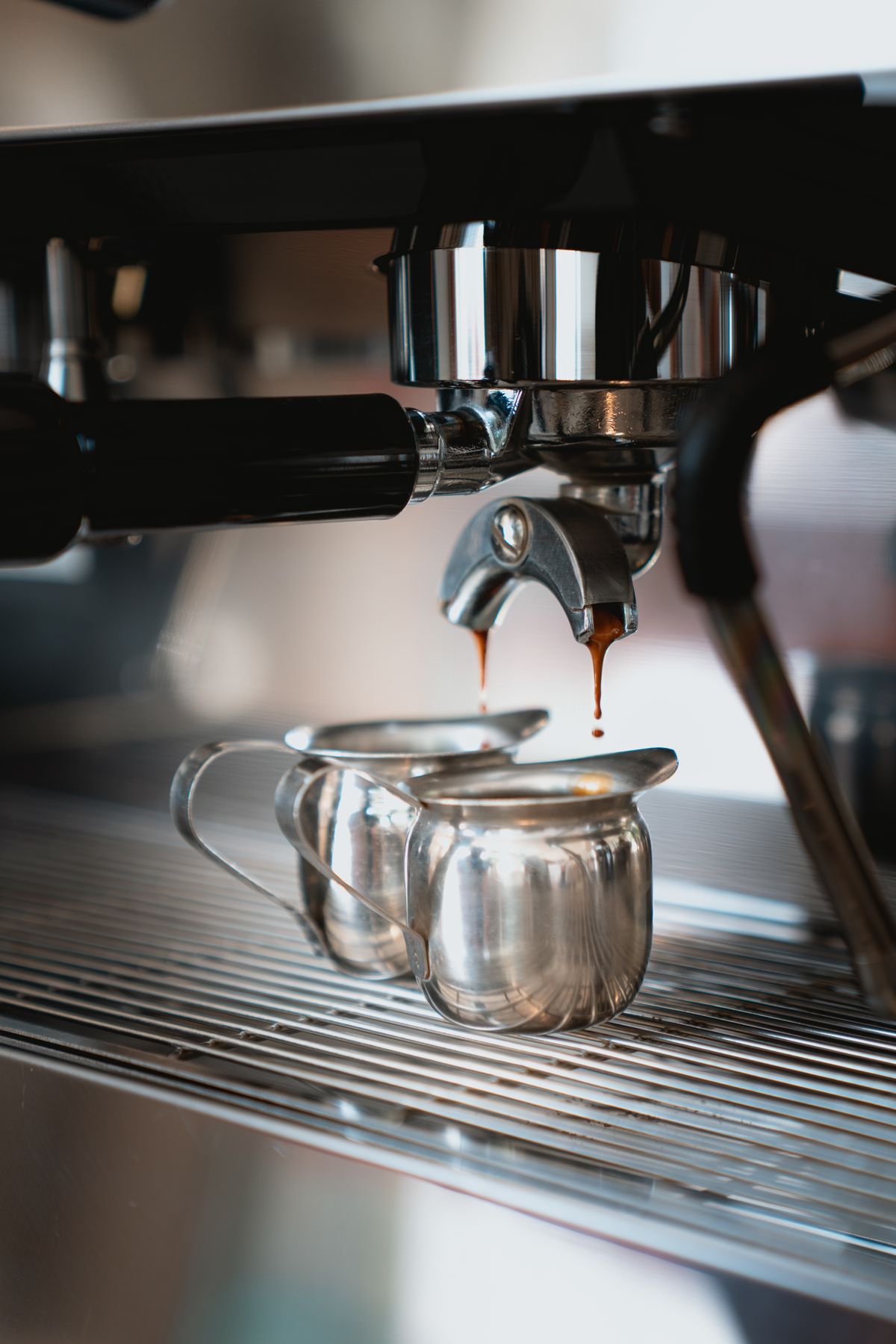
Whether you're upgrading a home setup or plotting an actual coffee business, start with the section that matches where you are.
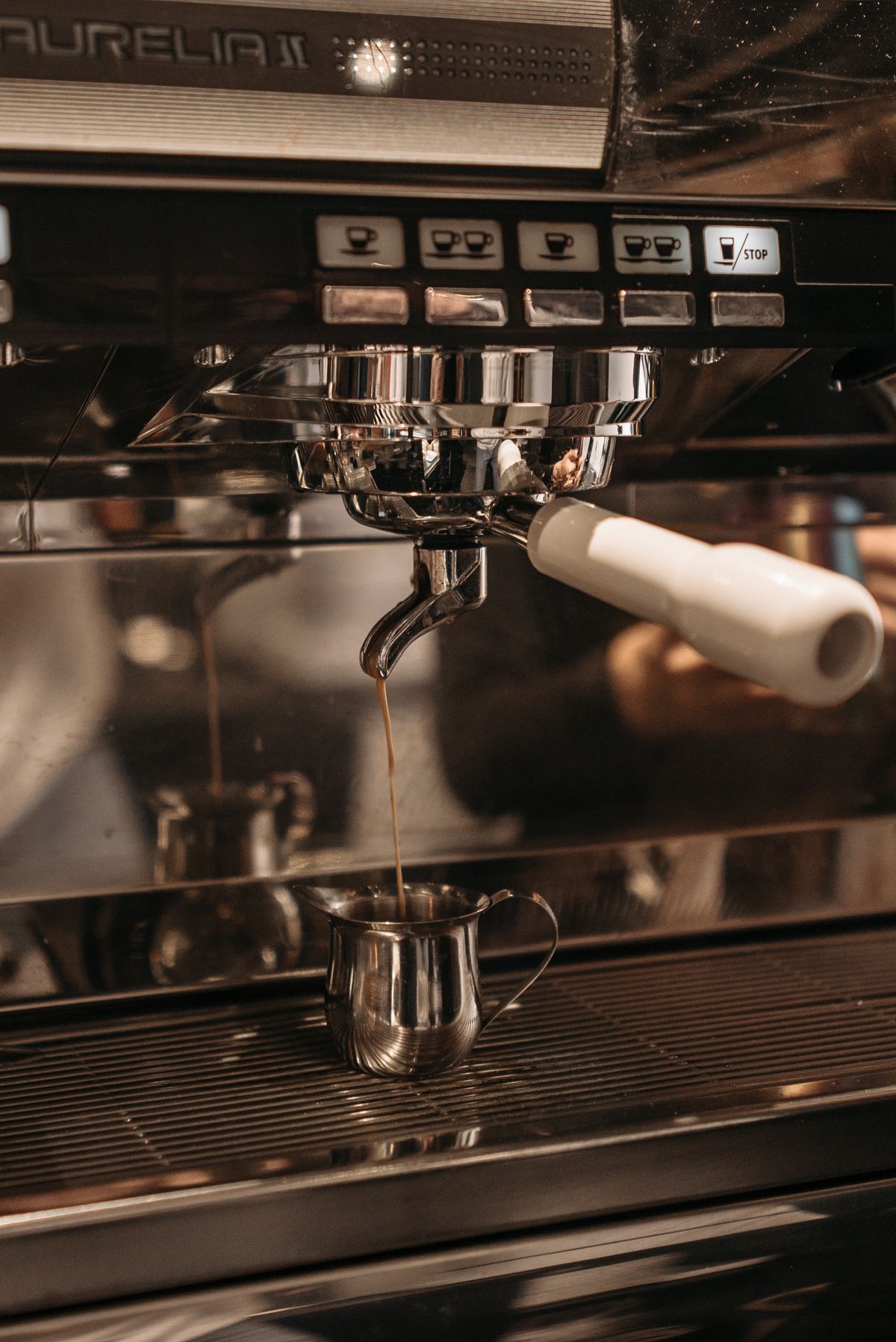
Prosumer dual-boilers to full commercial rigs, compared on build quality, PID control, and what actually justifies the price jump.

Home drum and air roasters, sample roasters, and small commercial units, along with what green coffee sourcing actually requires.

The real checklist for starting a mobile coffee business: equipment, permitting basics, water systems, and startup budgets.

Barista fundamentals, latte art, Q Grader and roasting certification paths, what each program actually covers.
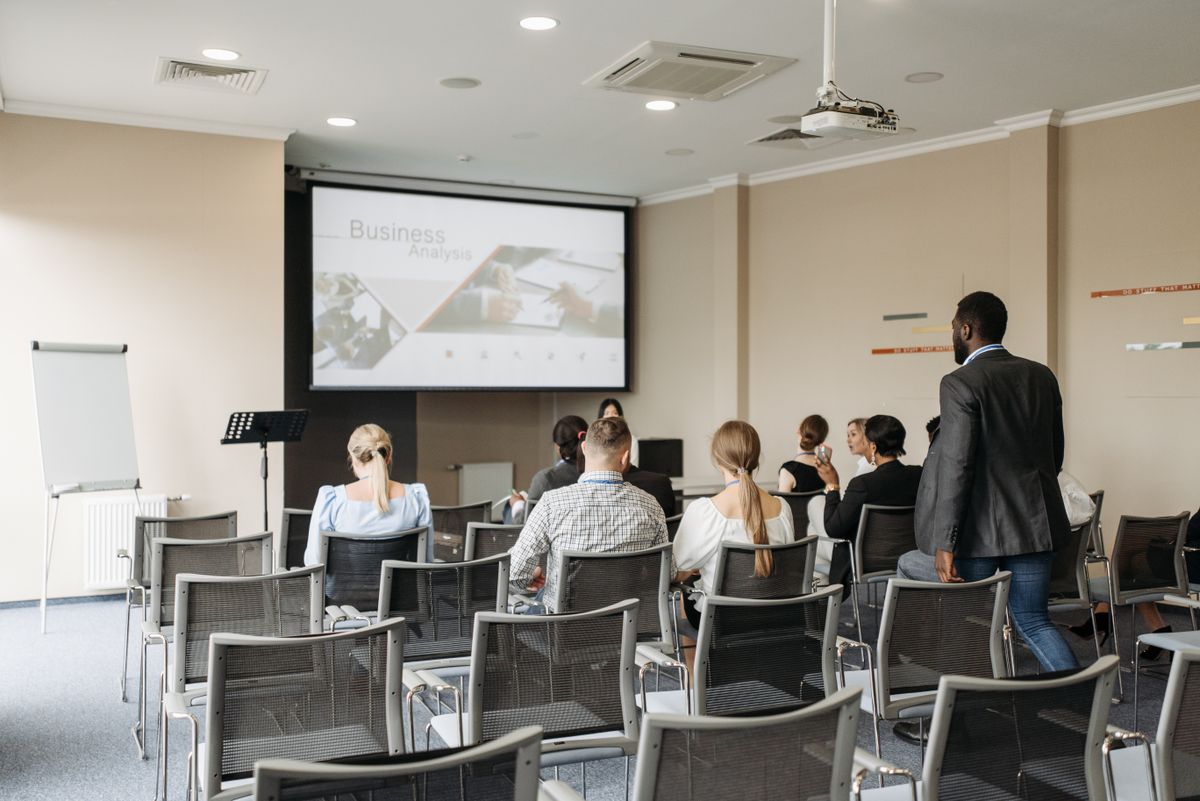
A running calendar of the specialty coffee shows, roaster expos, and barista championships worth planning a trip around.
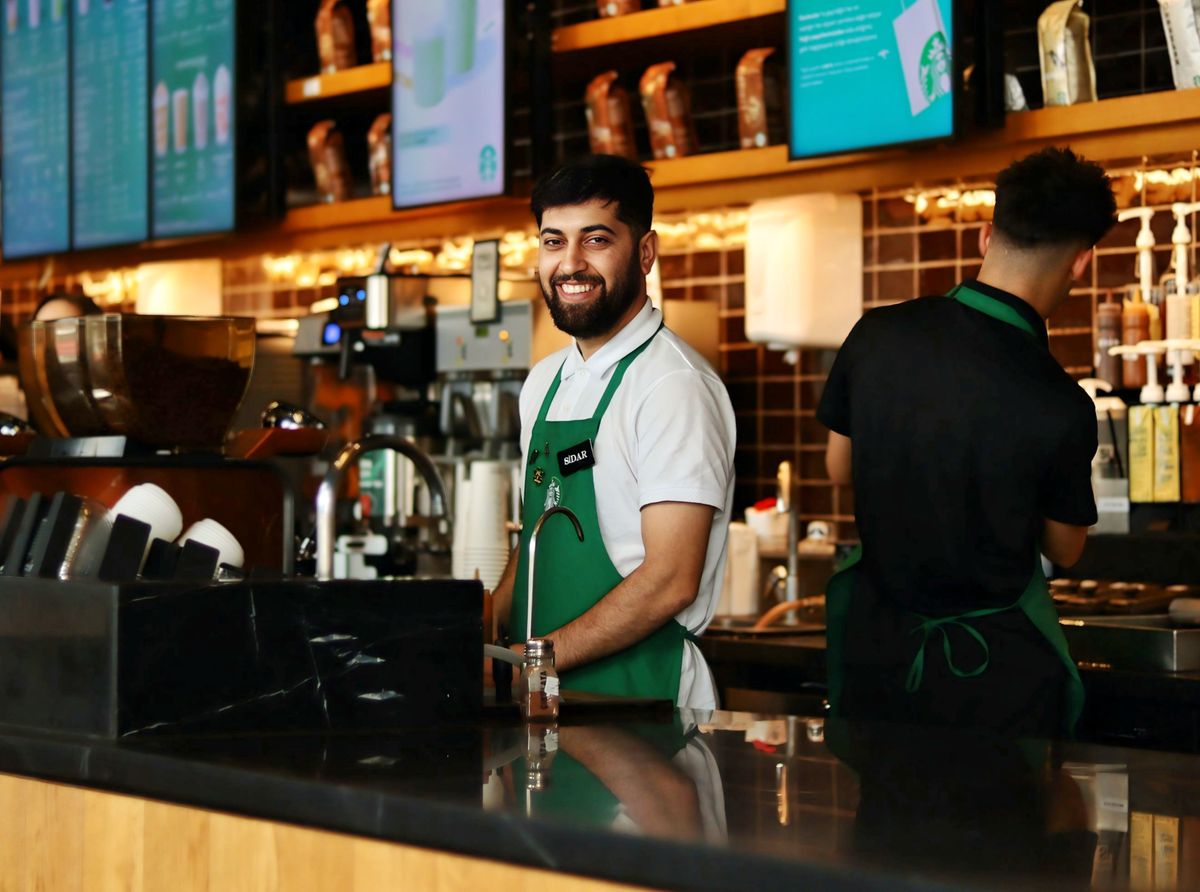
What a full-service, seated shop needs beyond a cart or trailer: commercial equipment capacity, layout, POS, and staffing.
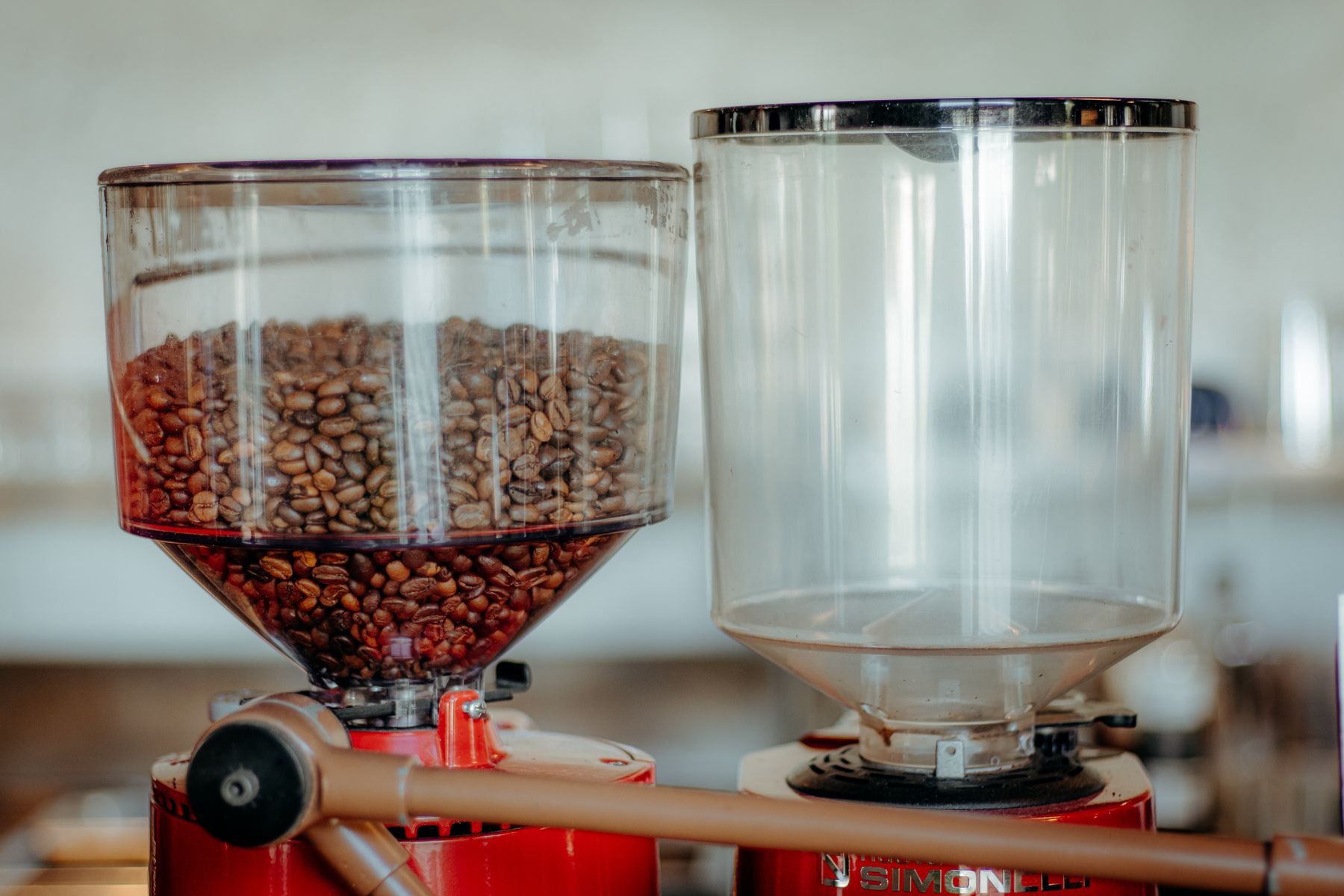
For readers who just want great beans on a schedule, how Trade Coffee, Atlas Coffee Club, and other services actually differ.
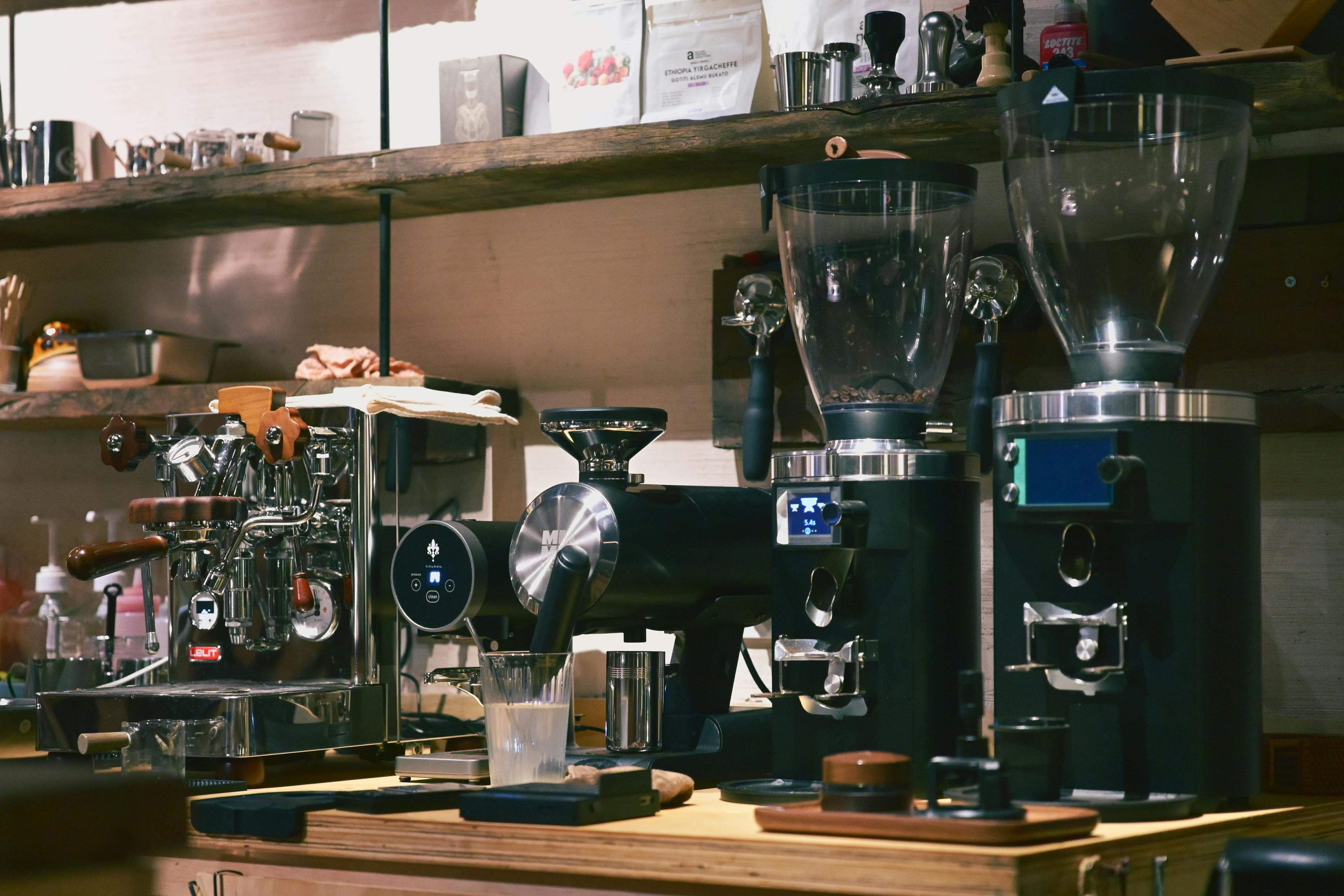
The upgrade most people skip, and the single biggest lever on shot quality after fresh beans.
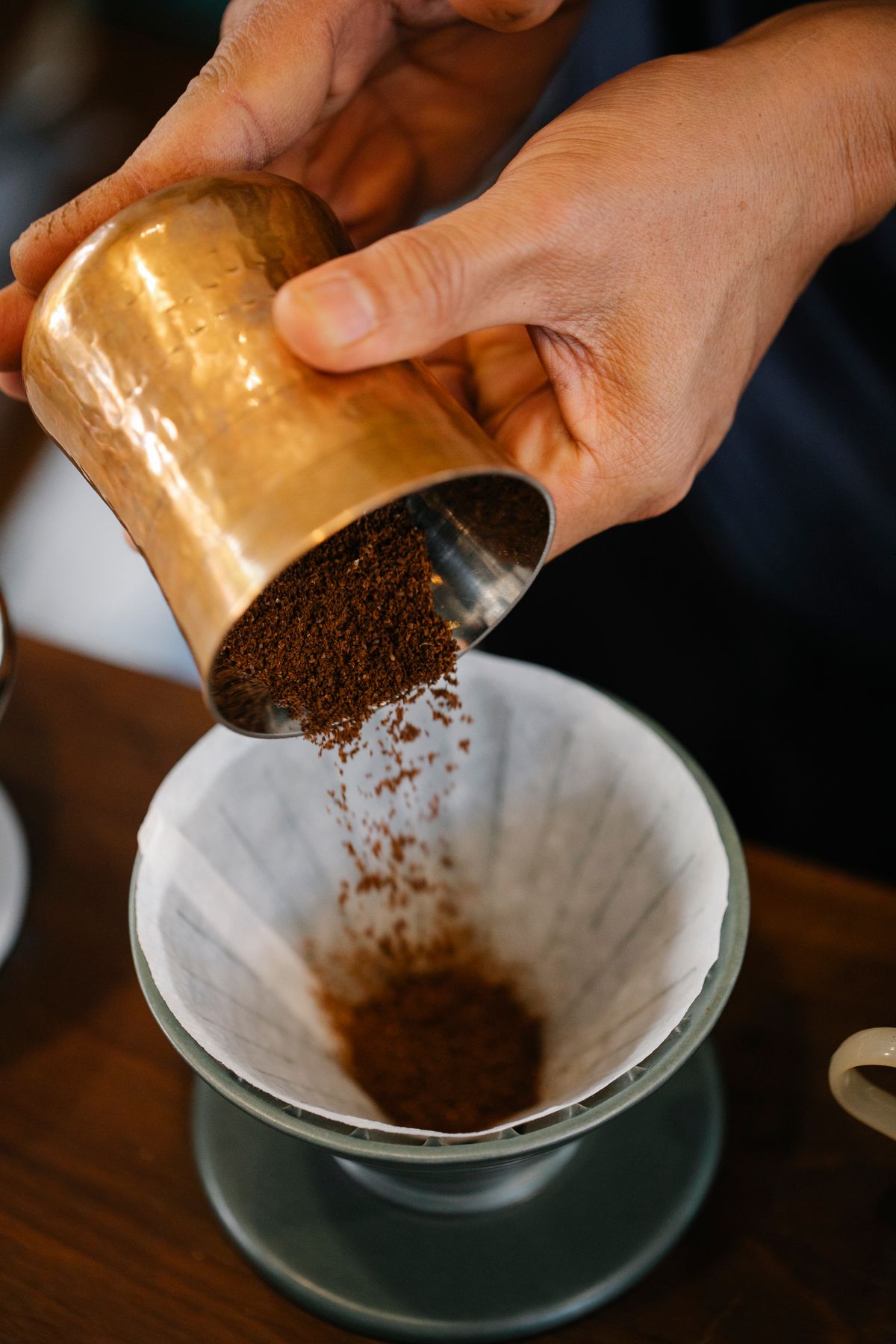
Pour-over, French press, AeroPress, and moka pot, no espresso machine required.

Where your coffee actually comes from, how processing changes flavor, and where to buy single bags.

Scales, tampers, and kettles, the small gear that adds up to real consistency.

How the industry's career ladder actually works, and what helps on a first application.

We evaluate each category using criteria appropriate to that decision. Equipment reviews emphasize build materials, thermal stability (PID vs. thermosiphon vs. dual boiler), documented warranty terms, and total cost of ownership, not just sticker price. Training and course coverage instead examines curriculum, format, instructor qualifications, recognition, and total cost. We link out to manufacturer and retailer pages so you can verify every spec yourself before buying.
Vigilant Coffee earns a commission on qualifying purchases made through links on this site. That relationship never determines which products we cover or how we describe them, see our affiliate disclosure for the full picture.
Not ready to buy anything yet? These are useful whether you're just starting out or you've been at this for years.
The books and trade publications that actually shape how the industry thinks.
Specific picks organized by price tier, no full guide required to start browsing.
Ratios and methods for classic drinks, plus simple syrups you can batch at home.
Heart, rosetta, tulip, and swan explained, plus the two real-world competition formats.
Matched by who they actually are, not just what's trending.
Where actual sales and used-market listings live, not stale promo codes.
Most espresso machine problems are a worn part, not a reason to buy new.
Ratio calculators, a machine-finder quiz, and a full troubleshooter, free, no signup.
Every term used across this site, defined plainly, in one place.

No. A well-maintained $400–700 machine paired with a good grinder and fresh beans will out-perform an expensive machine running old beans through a cheap grinder. Higher-end machines mainly buy you thermal stability, repeatability, and durability for high daily volume, see our espresso machine guide for where the money actually goes.
Budgets vary widely by state, permitting requirements, and whether you buy new or used equipment. Our coffee cart and trailer guide breaks down the major cost categories, machine, water system, cart or trailer build, permits, and insurance, so you can build your own estimate rather than relying on a single number.
The United States does not have one universal professional license required to work as a barista. However, operating a coffee business or commercially roasting, preparing, or selling coffee may require business registrations, food-safety training, health-department approval, zoning clearance, or food-processing permits depending on the location and activity. Industry certifications like those from the Specialty Coffee Association are voluntary credentials, respected for hiring and running a roastery, but they are not a substitute for local legal requirements. See training programs for what each credential covers.
Through affiliate commissions when readers purchase products or enroll in courses via links on this site, at no additional fee charged by Vigilant Coffee. Full details are in our affiliate disclosure.
No. Home roasting is a rewarding hobby but it's a separate commitment from brewing well. A good coffee subscription from a quality roaster will outperform mediocre home-roasted beans. See our roasting equipment guide if you want to try it, or our subscription comparison if you'd rather skip straight to good beans.
A cart or trailer can require less initial capital and reduce certain lease-related risks, although permits, vehicle costs, commissary requirements, weather, event access, and limited capacity create different risks. For some aspiring owners, a cart or trailer can provide a lower-cost way to test demand before committing to a storefront and long-term commercial lease. Compare both in our cart and trailer guide and coffee shop guide.
Yes, no signup or email required. The ratio calculator, machine finder quiz, flavor wheel, and reference charts in our tools section are free to use as many times as you want.
Buying guides are reviewed periodically as new machines and roasters come to market. Pages that would otherwise go stale quickly, like specific event dates or promo codes, are intentionally written to point you to the source (an event organizer's site, a retailer's own sale page) rather than a number we'd have to keep current ourselves.
Brew ratios, grind sizes, troubleshooting fixes, and a gear-buying checklist. Free, instant, no spam.
 Espresso · Roasting · Business